Primary teeth, commonly called milk teeth or baby teeth, are often underestimated because they eventually fall out. Many parents believe that since these teeth are temporary, treating them is unnecessary. However, primary teeth play a critical role in a child’s oral and overall development, and preserving them until their natural time of shedding is extremely important. In this article we will take a look at some of the crucial functions primary teeth serve and why saving milk teeth is necessary.
When do milk teeth fall?
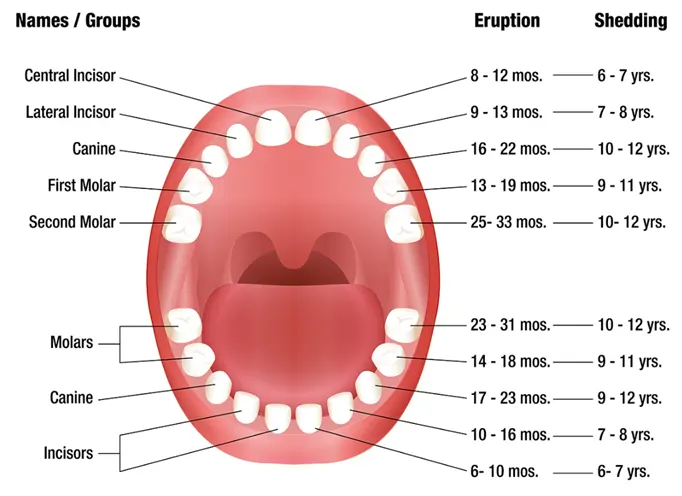
Human babies have 20 milk teeth in total. These erupt and shed at different stages of growth. The first teeth to erupt are the lower incisors, around 6 months of age. The molars (back teeth) erupt much later. All teeth erupt generally by 25 to 30 months.
Following the principle of ‘first in, first out’, the first teeth to shed are the incisors. The primary molars are replaced by 12 years of age. This means that for 12 long years, these milk teeth are your child’s primary tool of chewing food.
Importance of Treating Milk teeth
As we just saw, milk teeth are completely replaced by 10 to 12 years of age. Therefore, it is essential to take care of them. Here are some of the uses of milk teeth and the benefits of treating them:
- Helps in Proper Chewing and Nutrition.
Primary teeth allow children to chew food properly, which is essential for digestion and nutrition. If a milk tooth is hurting, children may avoid chewing on that side, or avoid solid food altogether leading to improper eating habits and nutritional deficiencies.
- Maintains Space for Permanent Teeth.
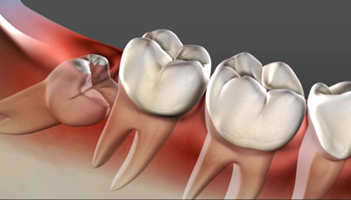
One of the most important functions of primary teeth is maintaining space for the permanent teeth developing underneath. When a primary tooth is lost early due to decay or trauma, the adjacent teeth drift into the empty space. This reduces the space needed for the permanent tooth to erupt and can lead to crowding, misalignment, or impacted permanent teeth, often requiring orthodontic treatment later.
- Guides Proper Eruption of Permanent Teeth.
Primary teeth act as natural guides for the eruption of permanent teeth. If they are lost prematurely, permanent teeth may erupt in the wrong position, affecting the child’s bite and teeth alignment.
- Helps in Speech Development.
Teeth play an essential role in pronouncing certain sounds clearly. Missing front teeth at an early age may cause difficulties in speech development and pronunciation of sounds like “s”, “f”, and “th”.
- Supports Jaw and Facial Development.
Primary teeth help in the proper growth of the jawbones and facial muscles. Healthy teeth allow children to chew effectively, which stimulates jaw development and maintains facial structure.
- Prevents Pain and Infection.
Untreated cavities in primary teeth can progress quickly because the enamel is thinner than in permanent teeth. This can lead to pain, infection and swelling. In severe cases, infection can also affect the developing permanent tooth underneath.
- Boosts Confidence and Social Interaction.
Healthy teeth contribute to a pleasant smile and better self-confidence in children. Dental problems or visible decay can sometimes make children feel embarrassed while speaking or smiling.
- Avoids Future Dental Complications.
Treating and saving primary teeth at the right time helps prevent complex and costly dental treatments later, such as orthodontic corrections, extractions, or surgical interventions.
How to Save Primary Teeth?
Parents can help maintain their child’s oral health by:
- Encouraging brushing twice a day with a fluoride toothpaste.
- Inculcating healthy food habits. To know more about tooth-friendly diet click https://barvedental.com/eat-smart-smile-bright-dietary-dos-and-donts-for-oral-health/
- Limiting sugary snacks and drinks.
- Getting fluoride treatment or using medicated toothpastes
- Scheduling regular dental check-ups every 6 months.
- Treating cavities early as soon as they are detected.
For a detailed article on cavity prevention, click https://barvedental.com/ways-to-protect-your-teeth-from-cavities/
Paediatric Treatment at Barve Dental Clinic
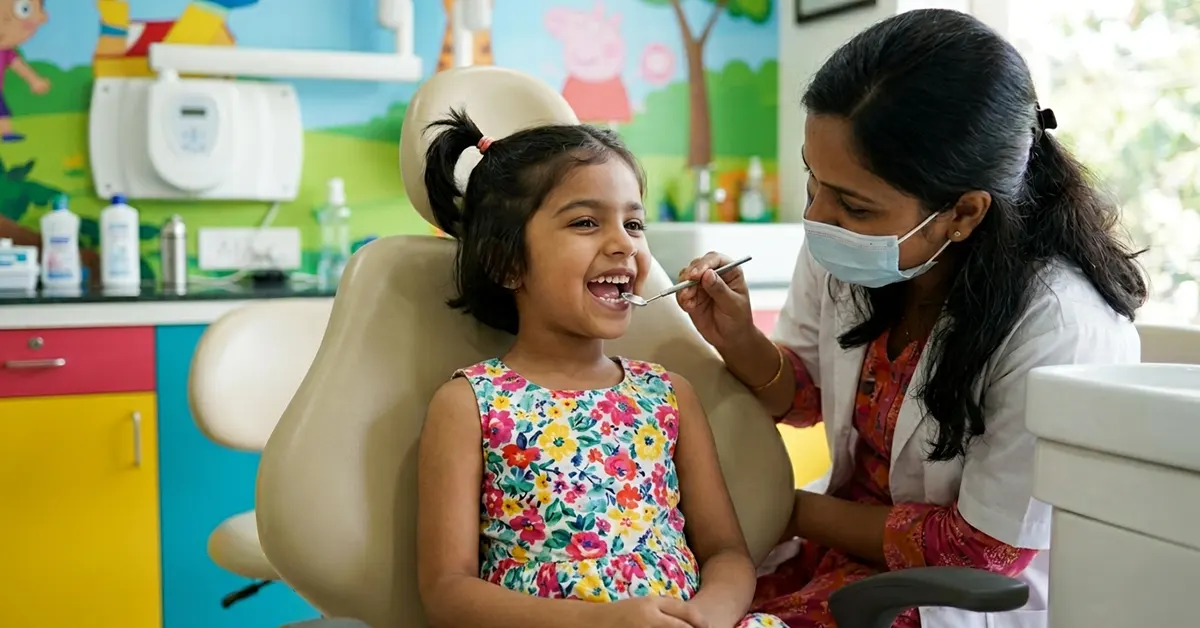
We at Barve Dental Clinic understand the impact of first dental experience on a child. If a child’s first dental visit is traumatic, it can deter the child from ever entering a dental clinic, even at the cost of dental pain and tooth loss. Hence, we strive to make the child’s dental visit as comfortable and pleasant as possible. We employ a ‘tell-show-do’ approach to gain the child’s confidence and proceed with the treatment gently. Our treatment plan is modulated to the child’s comfort level. Barve Dental Clinic routinely treats several kids for dental pain and cavities. We also emphasise upon preventive treatments like sealants and fluoride. The countless happy smiles from kids are a testament to our gentle and efficient treatment approach.
Conclusion
Primary teeth are vital enough to warrant care and prompt attention. Although they are temporary, their impact on a child’s development and oral health is permanent. Saving milk teeth until they naturally fall out ensures proper chewing, speech development, proper teeth alignment, and overall oral health. Therefore, cavity prevention and timely dental treatment for milk teeth are essential to protect a child’s smile and future dental health.