
When we think about a healthy heart, most of us focus on diet, exercise, and stress management. But did you know that your mouth can also affect your heart? Bleeding gums or cavities are not only just dental issues, but have an effect on your overall wellbeing. Studies have found that people with severe gum disease are more likely to have heart disease compared to those with healthy gums.
What Is Gum Disease?
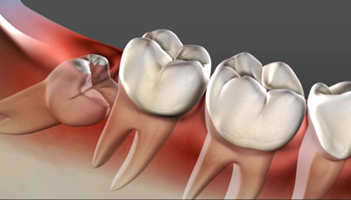
Gum disease, also called periodontal disease, is an infection of the gums and bone that support your teeth. Gum disease occurs due to insufficient brushing and flossing, lack of regular professional teeth cleaning and hereditary factors. Many people do not realize they have gum disease until it is advanced, as it is usually painless in the early stages. Watch out for these warning signs —
- Red, swollen gums
- Bleeding gums
- Tenderness or pain in gums
- Receding gums (Teeth appearing longer than before)
- Bad breath
- Mobility in teeth
- Increased gaps between teeth
- Pus discharge from gums
- Hardened layer of tartar around the gums
Gum Disease and Heart Health: The Hidden Connection You Should Know About
Your gum health and heart health are closely connected. Research shows that gum disease (periodontal disease) can increase your risk of cardiovascular problems like heart attack and stroke. Many observational studies have reported that people with periodontitis have up to 1.4 times the risk of future cardiovascular events. Some meta-analyses and recent reviews continue to report a consistent association between periodontitis and atherosclerotic cardiovascular disease. That association persists after statistical adjustment for smoking, diabetes, age and socio-economic factors.
Bottom line – Gum infection increases the chances of heart disease.
How Gum Disease Affects Your Heart
Your mouth is full of bacteria — most are harmless as long as they are contained only in the saliva. When you have gum disease, harmful bacteria can enter your bloodstream through the infected gum tissues. Once in the bloodstream, these bacteria can trigger inflammation throughout the body. This inflammation can damage blood vessels and contribute to plaque buildup in arteries (atherosclerosis), which increases the risk of —
- Clogged arteries
- High blood pressure
- Stroke
- Heart attack
- Endocarditis (Infection of the heart lining)
How to Protect Your Gums and Heart?
The good news is that you can reduce your risk of heart disease by taking care of your oral health. Here’s how:
- Maintain a Daily Oral Hygiene Routine
- Brush twice a day using a medium-soft bristled toothbrush and fluoride toothpaste.
- Floss once a day to remove plaque between teeth where the toothbrush can’t reach.
- Use an antimicrobial mouthwash if recommended by your dentist.
- Visit Your Dentist Regularly
Schedule a dental cleaning and check-up every 6 months. Professional cleanings remove tartar and help detect early gum issues before they become serious. - Quit Smoking
Smoking not only increases the risk of gum disease but also reduces the healing ability of tissues and affects heart health. Quitting smoking has benefits for both your mouth and heart.
- Eat a Heart-Healthy and Mouth-Healthy Diet
Reduce sugar and processed food consumption. Include more fresh fruits, vegetables, and whole grains. To know more about a tooth-friendly diet, click here: https://barvedental.com/eat-smart-smile-bright-dietary-dos-and-donts-for-oral-health/
- Manage Other Health Conditions
If you have diabetes, high blood pressure, or high cholesterol, keeping them under control helps protect your gums and your heart.
The Takeaway: A Healthy Mouth Means a Healthier Heart
The mouth is the gateway to your body, and inflammation or infection here can affect your overall health — especially your heart.
By keeping your gums healthy with regular brushing, flossing, and professional dental cleaning, you are not just protecting your teeth, you are also supporting your heart health.
If you’ve noticed bleeding gums, bad breath, or gum swelling, do not ignore it. Book a dental appointment today. Early care can help you maintain a healthy smile and a healthy heart for life.