Teleconsultation for Dental Pain: Get Expert Advice Without Leaving Home
A sudden toothache can disrupt your day, making it difficult to eat, sleep, or concentrate. While many people reach for over-the-counter painkillers or search the internet for home remedies, the effect of these can be limited or even harmful. Moreover, painkillers only mask the pain while the underlying cause continues to worsen.
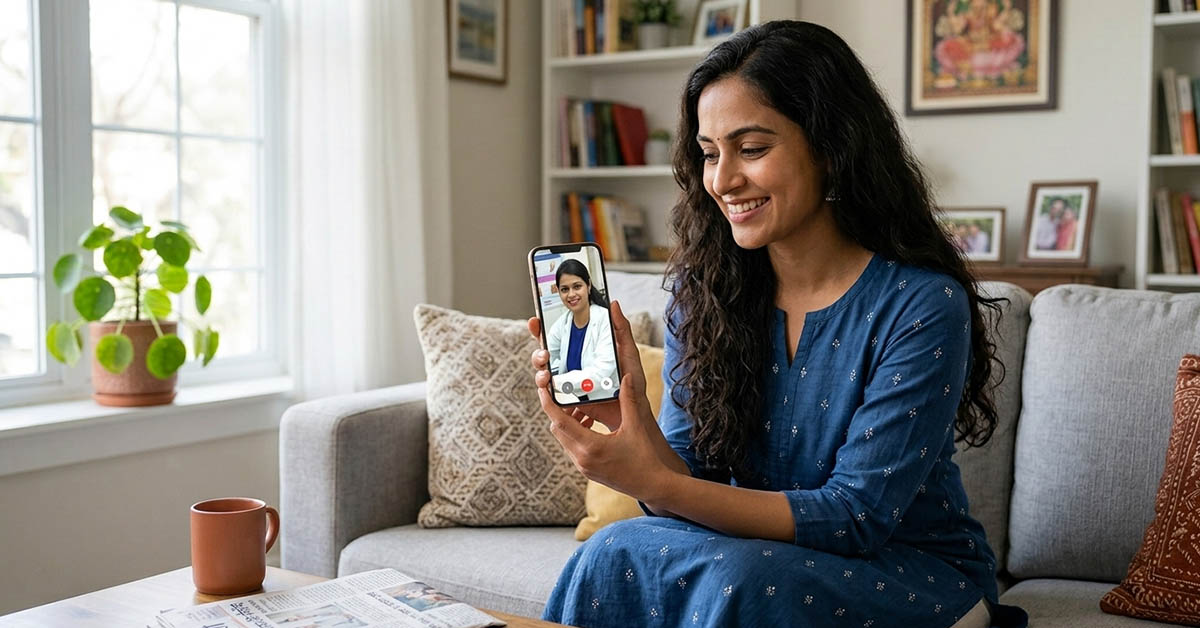
If you are experiencing tooth pain, a teleconsultation with a dentist can give you a much better chance at pain relief by tailoring the next steps specific to your condition. Teleconsultation helps you understand the cause of your discomfort, receive professional guidance, and determine whether you need immediate treatment or can safely manage the condition until your clinic visit.
At Barve Dental Clinic, we offer teleconsultation for dental pain to help patients receive timely expert advice from the comfort of their homes. Our experienced doctors have helped several patients get relief from severe dental pain via online consultation when in-person visit was not possible.
Why Does Tooth Pain Need Professional Attention?
Tooth pain can have many causes, including:
- Tooth decay (cavities)
- Gum infection
- Dental abscess (infection in the jaw bone)
- Cracked or fractured teeth
- Impacted wisdom teeth
- Tooth sensitivity
- Jaw joint disorders
Although these conditions may produce similar symptoms, their treatment is very different. A professional assessment helps identify the most likely cause and guides appropriate care.
Why Self-Medication Can Be Harmful
Many patients try to manage dental pain using painkillers, leftover antibiotics, or advice from family and friends. While this may temporarily reduce discomfort, it can create bigger problems.
1. Painkillers have side effects
Painkillers only temporarily subdue the pain, but it comes back once the effect of the medication wears off. Hence, repeated pain medication is needed in the absence of proper guidance and treatment. Prolonged use of painkillers can damage the stomach lining, liver and kidneys.
2. Antibiotics are frequently misused
Not every toothache requires antibiotics. Inappropriate antibiotic use contributes to antibiotic resistance and may expose you to unnecessary side effects. Antibiotics should only be taken when prescribed by a qualified dentist.
3. Self-medication can be fatal
Certain painkillers and antibiotics may be contraindicated for you depending on your medical history. Proper advice helps you avoid distressing and sometimes fatal symptoms.
4. Home remedies have limitations
Clove oil, salt-water rinses, or cold compresses may provide temporary relief, but they cannot relieve severe pain and swelling.
5. Painkillers do not treat the cause
Pain medication reduces discomfort but does not remove the infection or repair a damaged tooth. Masking the pain allows the underlying condition to worsen. cavities, deep infections, fractured teeth, or severe inflammation.
6. Delayed treatment can become more expensive
The more an infected tooth is neglected, the higher the chance of it requiring more dental treatment. Ignoring dental discomfort may result in severe infection, pain, facial swelling and even tooth loss. Thus, postponing dental treatment results in more dental visits and higher treatment costs eventually. Early intervention often leads to simpler, less invasive treatment.
What to expect during a Dental Teleconsultation?
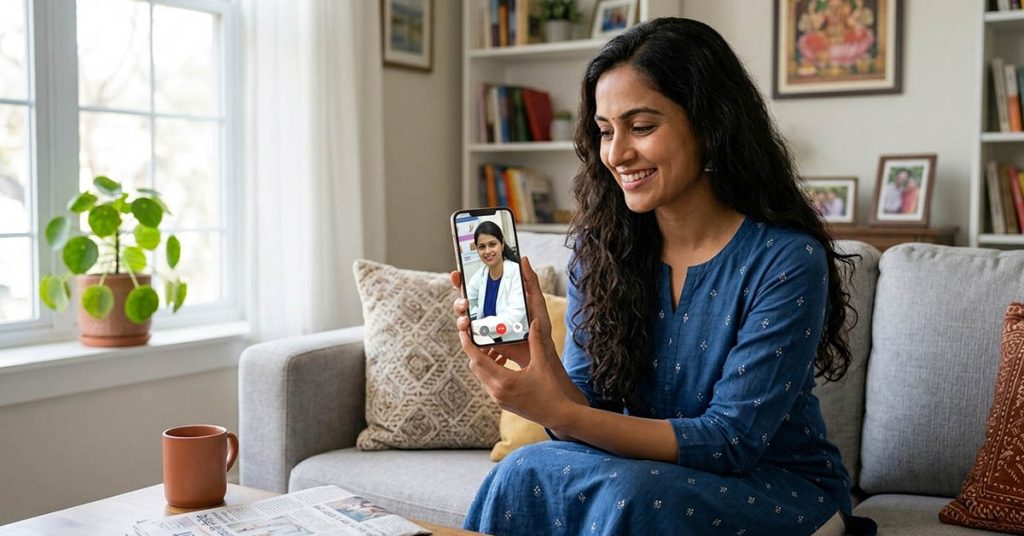
A teleconsultation allows you to speak directly with an experienced dentist through a phone or video consultation.
During your consultation, the dentist will:
- Ask about your symptoms and medical history.
- Assess the severity and likely cause of your pain.
- Review photographs of the affected area if needed.
- Advise whether you require an emergency dental visit.
- Recommend appropriate pain-relief measures.
- Explain the next steps in your treatment plan.
While a teleconsultation cannot replace a complete clinical examination, it provides valuable guidance and helps patients make informed decisions.
How Does a Professional Dental Teleconsultation Help?
Rather than relying on internet searches or guesswork, you receive advice from a qualified dental professional with clinical experience.
Appropriate Medication
Your dentist recommends medications only when indicated, helping you avoid unnecessary or unsuitable medications.
Early Detection of Serious Problems
Conditions such as swelling, severe infections, or fractured teeth require prompt treatment. Early recognition can prevent complications.
Reduced Anxiety
Many patients avoid visiting a dental clinic due to fear and suffer dental pain. Speaking to a dentist provides reassurance, answers your questions, and helps you understand what to expect.
Saves Time
A teleconsultation helps determine whether your problem can wait for a scheduled appointment or requires urgent care, reducing unnecessary travel and waiting.
Personalized Advice
Every patient is different. Your treatment recommendations are based on your symptoms, medical history, and dental condition rather than generic online advice.
When Should You Seek an Emergency Dental Consultation?
Contact a dentist immediately if you experience:
- Severe, persistent toothache
- Facial swelling
- Difficulty swallowing
- Fever associated with tooth pain
- Trauma to the teeth
- Bleeding that does not stop
- A knocked-out permanent tooth
These symptoms may require urgent treatment.
What Happens After the Teleconsultation?
Depending on your condition, the dentist may recommend:
- Home care instructions
- Prescription medications
- Emergency treatment
- An in-clinic dental examination
- A scheduled follow-up appointment
The goal is to ensure you receive the right treatment at the right time.
Frequently Asked Questions
Can a dentist diagnose tooth pain through teleconsultation?
A teleconsultation allows the dentist to assess your symptoms, identify likely causes, and recommend the next steps. Some conditions will still require an in-person examination and dental X-rays for a definitive diagnosis.
Can I receive a prescription after a teleconsultation?
Yes. If clinically appropriate, your dentist may prescribe medication after evaluating your condition.
Is teleconsultation suitable for children?
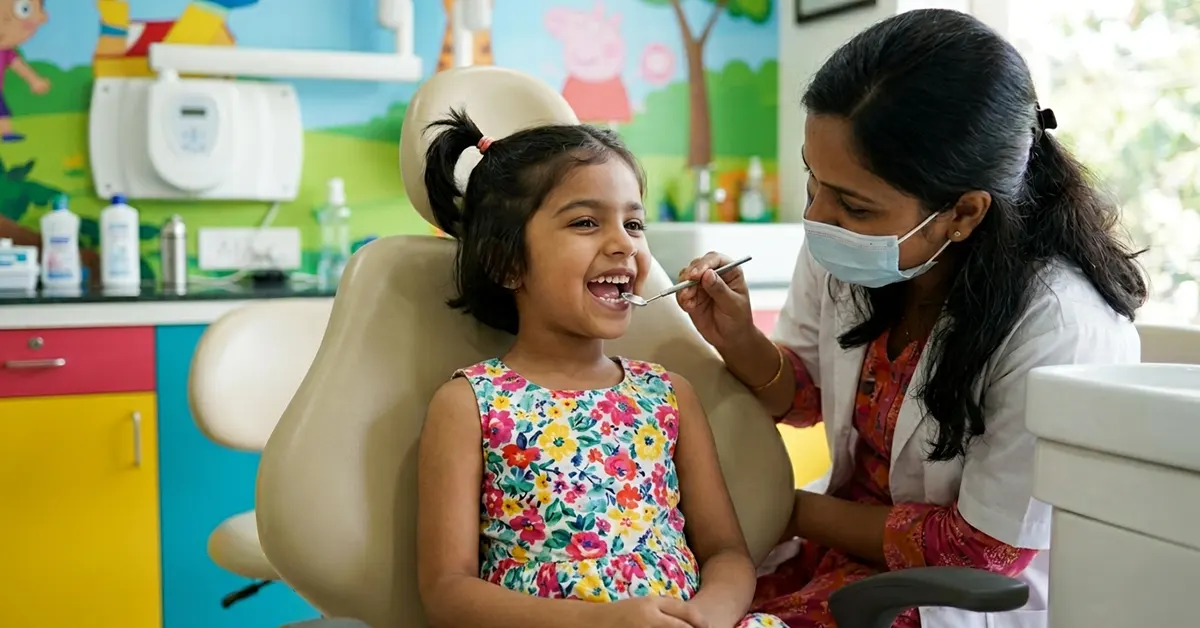
Yes. Parents can discuss their child’s symptoms and receive guidance on whether immediate treatment is needed.
Can teleconsultation replace a dental visit?
No. It is an excellent first step for advice and triage but does not replace a comprehensive clinical examination when treatment is required.
Don't Ignore Tooth Pain
Dental pain is your body’s way of telling you that something needs attention. Instead of relying on self-medication or internet remedies, seek professional advice early. Whether you need reassurance about a mild toothache or guidance during a dental emergency, our teleconsultation service helps you receive professional advice quickly and conveniently.
Book a dental consultation with Barve Dental Clinic, Vile Parle at 9821089434 or clinic@barvedental.com. Get expert advice and receive timely care.