What are wisdom teeth?
Wisdom teeth, also known as third molars, are the last set of teeth to emerge—typically between the ages of 17 and 25. Since they erupt at the time by which a person is supposed to be wise, they came to be known as wisdom teeth.
During their eruption, and sometimes even later, many people face discomfort, misalignment, infection and pain due to lack of space in the jaw. Wisdom teeth are evolutionary leftovers—teeth we once needed for grinding raw, coarse food. As our diet changed to involve more cooked, processed and soft food, the need for having extra chewing units diminished. With time, the human jaw size shrunk in alignment with current chewing needs. However, most wisdom teeth never got the memo. Hence, they continued to develop and erupt, often in crowded spaces, like a fourth person trying to seat himself on a three seater bench. In evolutionary terms, wisdom teeth are like outdated software—still installed, but mostly causing glitches.
Why do wisdom teeth cause trouble?
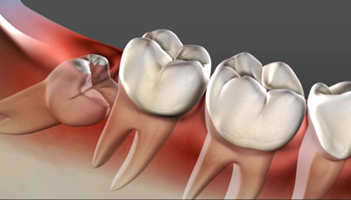
Wisdom teeth erupt much later than the rest of the teeth. This means that often the space in the jaw is occupied by other teeth, leaving little to no space for the third molars. This sometimes cause them to be partially or fully impacted (trapped in the jaw), or erupt at an angle. This puts pressure on the adjacent teeth and tissues, causing bruising and pain. Teeth which are misaligned and partially erupted invite food lodgement, resulting in infection. As they are situated at the back and at an odd angle, they make brushing challenging. This puts them at a great risk of decay and gum infection.
Does everyone experience wisdom tooth pain?
Fortunately, no. Some people report little to no pain related to wisdom teeth. Most people will experience some discomfort during eruption as the tooth breaks through the gums. This is usually easily managed with cold rinses and a mild painkiller. Moreover, if there is adequate space in your jaw, then once the teeth fully erupt, they cease to cause any trouble as long as they are kept clean.
Common Symptoms of Wisdom Teeth Issues
You might need to have your wisdom teeth checked if you experience:
- Pain or pressure at the back of the mouth or jaw
- Swollen or bleeding gums near the molars
- Bad breath or a bad taste in the mouth
- Difficulty opening the mouth or chewing
- Swelling around the jaw or face
- Bruising on the inside of your cheeks
Home remedies for wisdom teeth pain
If you think your wisdom tooth is causing pain and gum swelling, show your dentist immediately. While you wait for an appointment, here is what you can do to alleviate the discomfort.
- Rinsing with warm salt water four to five times a day
- Applying a numbing gel containing lignocaine to the affected gums/cheek
- Taking an over the counter painkiller
- Keeping the area clean with thorough brushing and antimicrobial mouthwash.
- Applying a cold compress to the angle of the jaw.
Frequently Asked Questions
Q: Is wisdom tooth removal painful?
A: The procedure itself is not painful due to anaesthesia. Some discomfort is expected during recovery, but it is manageable with medications and home care.
Q: Does wisdom teeth removal need hospitalisation?
A: No, it is done in a dental clinic, under local anaesthesia.
Q: What happens if I ignore my wisdom teeth?
A: Ignoring problematic wisdom teeth can lead to infections, damage to other teeth, and long-term oral health issues.
Q: Do All Wisdom Teeth Need to Be Removed?
A: Not necessarily. If your wisdom teeth erupt completely, align properly, and remain healthy, they do not require removal. However, regular dental check-ups and X-rays are essential to monitor their growth and health.
Q: What if my wisdom teeth don’t erupt?
A: Some people do not develop wisdom teeth. This is an evolutionary change as nature recognises their futility. However, sometimes wisdom teeth are present, but remain trapped in the jaw bone. A simple Xray can reveal this. Unerupted teeth may sometimes develop cysts. Hence, it is important to keep them under surveillance.
Wisdom teeth are nature’s reminder that we once had bigger jaws and tougher meals. Their utility for our present diet is less significant. Wisdom teeth are notorious for causing trouble. Get a dental check up done to assess the position and health of your wisdom teeth.